Accurate records ensure you meet tax obligations and comply with local, state, and federal reporting requirements. This is crucial because tax mistakes and non-compliance can lead to audits, fines, or legal consequences. Adhering bookkeeping to bookkeeping best practices enables easy access to financial data. It makes it easy for stakeholders to quickly retrieve crucial data for in-depth analysis and comparison. Before we explore the bookkeeping best practices, let’s understand why bookkeeping is essential for businesses of all sizes. With the global accounting software market expected to reach $36.27 billion in 2025, businesses increasingly invest in technology to keep their financial activities in check.
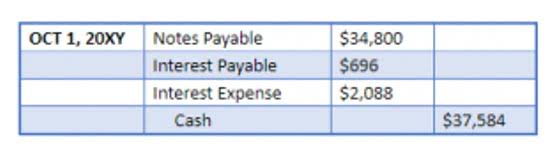
Journal Entry
Bookkeeping involves entering detailed records of every financial transaction — whether income or expense, cash or credit — as it happens. Maintaining precise bookkeeping provides companies with reliable metrics for evaluating performance, setting strategic goals, and acting as a benchmark for revenue or income targets. But those reports are only as accurate as the info you feed when performing bookkeeping procedures them. Skip a receipt, mislabel an expense, or forget to reconcile, and your financial story starts drifting into fiction territory.
What is a month end close process?

Typically, cloud storage is also more cost-effective and allows for scalability as your practice’s needs grow or change over time. So here are a few basic good bookkeeping practice rules on when to delete or void a transaction in QuickBooks®. If you are in an open accounting period, and you paid the bill twice, void (not delete) the Cheque Expense cheque (not the Pill Payment cheque).

Prepare financial statements:
Assets are anything a business owns, such as cash, inventory, or equipment. Liabilities are anything that a business owes, such as loans or credit card debt. Businesses can more easily identify any unusual or suspicious activity by having a written record of all financial transactions.
In some cases, we earn commissions when sales are made through our referrals. These financial relationships support our content but do not dictate our recommendations. Our editorial team independently evaluates products based on thousands of hours of research.
One of the fundamentals of small business bookkeeping is to keep your personal and business finances separate. It’s one of the https://nationwidelimousine.net/know-the-difference-between-cash-inflow-outflow/ most crucial bookkeeping best practices that helps you maintain financial control. As mentioned above, thanks to bookkeeping practices, organized financial data is always at your disposal. You can make more informed business decisions by reviewing and analyzing your financial resources and expenses.
Better patient service leads to higher satisfaction rates, improved outcomes, and stronger word-of-mouth referrals. By allocating administrative responsibilities to specialists, your practice fosters an environment where each team member can do what they do best. Healthcare bookkeeping presents hurdles different from other industries.
- Say you invoiced $2,500 for a branding project and spent $300 on tools and coworking.
- Bookkeeping best practices help you draw revenue patterns, cash flow fluctuations, and expense trends for a comprehensive overview.
- Computerized and online accounting programs now do many different things to make business operations and financial reporting more efficient.
- They can be performed manually or with the help of computer software.
- Bookkeeping is, therefore, an essential part of running a successful business.
- Similarly, processes in bookkeeping are your bedrock that keep your financial house in order.
- This is where Uplinq’s specialized medical practice bookkeeping services enable you to effortlessly outsource your accounting needs to dedicated experts.
Cloud-based platforms offer cost-effective options that scale with your practice. These statements are prepared based on the records maintained throughout the year, and their effectiveness depends on the accuracy of those accounts. Mobile deposits can be a significant time-saver that eliminates trips to the bank. If you receive paper checks and cash payments, deposit them weekly to keep your cash flow healthy and your records up to date. If your accounting software is connected to your bank and synced daily, there’s no need to wait for your monthly bank statement.

Account Reconciliation
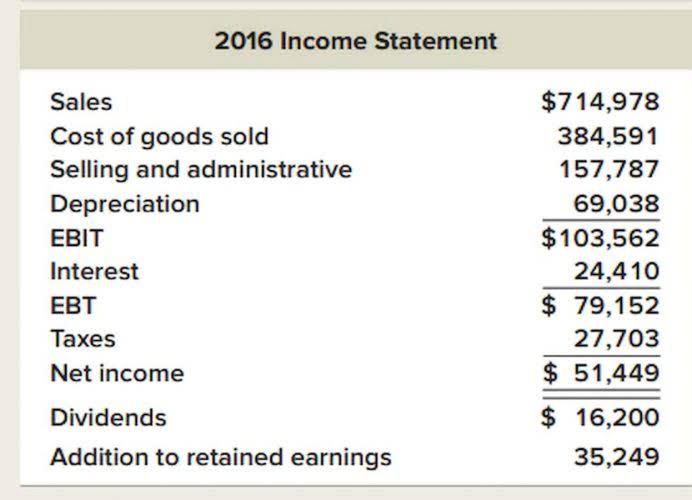
As a small business owner, it’s essential to have a clear picture of your company’s financial health. In fact, 71% of small business owners now use accounting software or apps to keep their finances in check. Normally a company desires a balance sheet, an income statement, and a cash flow statement. The accountant can, however, issue just one financial statement (e.g., income statement). How often should healthcare practices review their financial statements? Aim for monthly financial reviews, with a deeper audit each quarter.